

Rhinoplasty
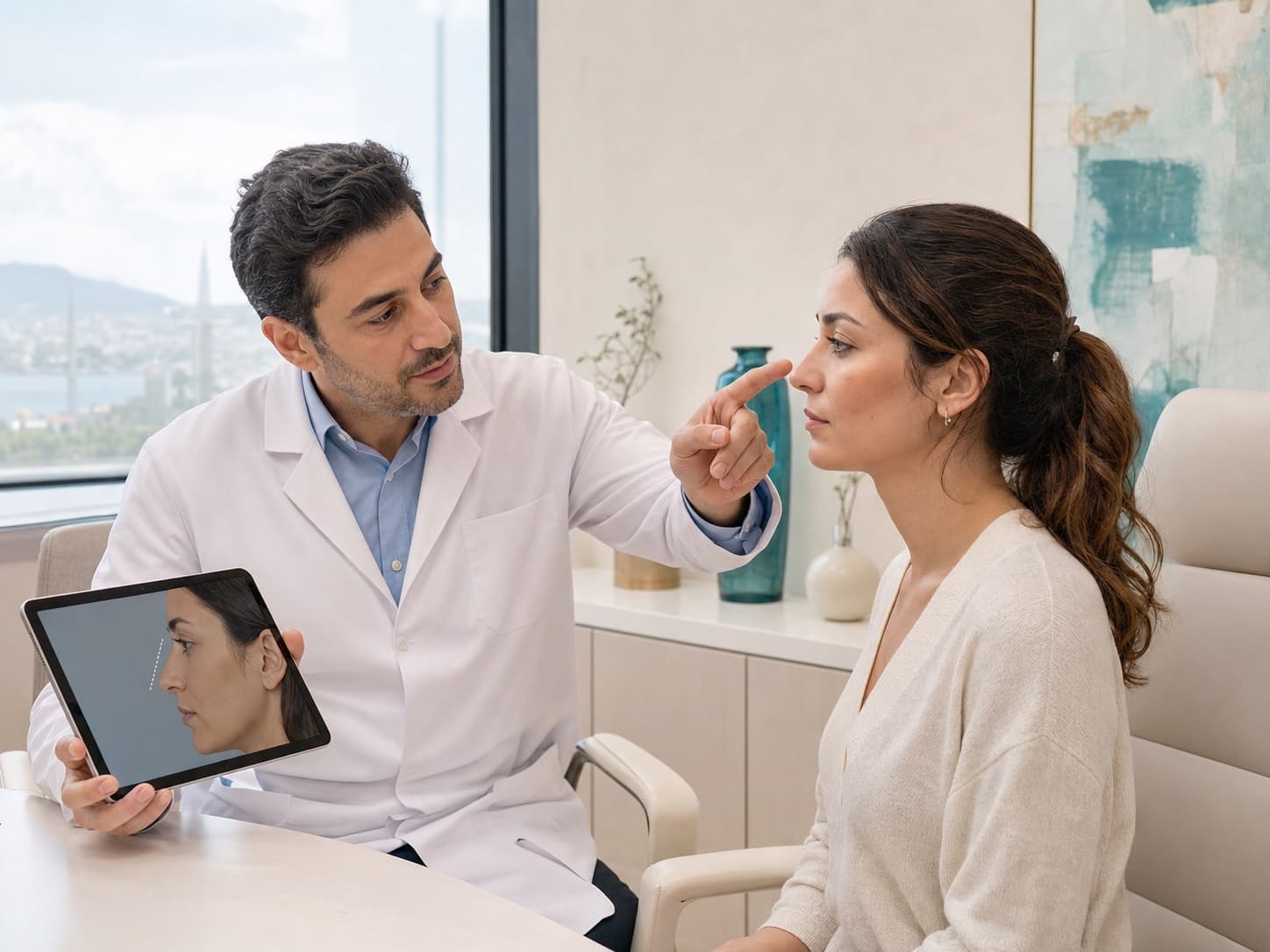
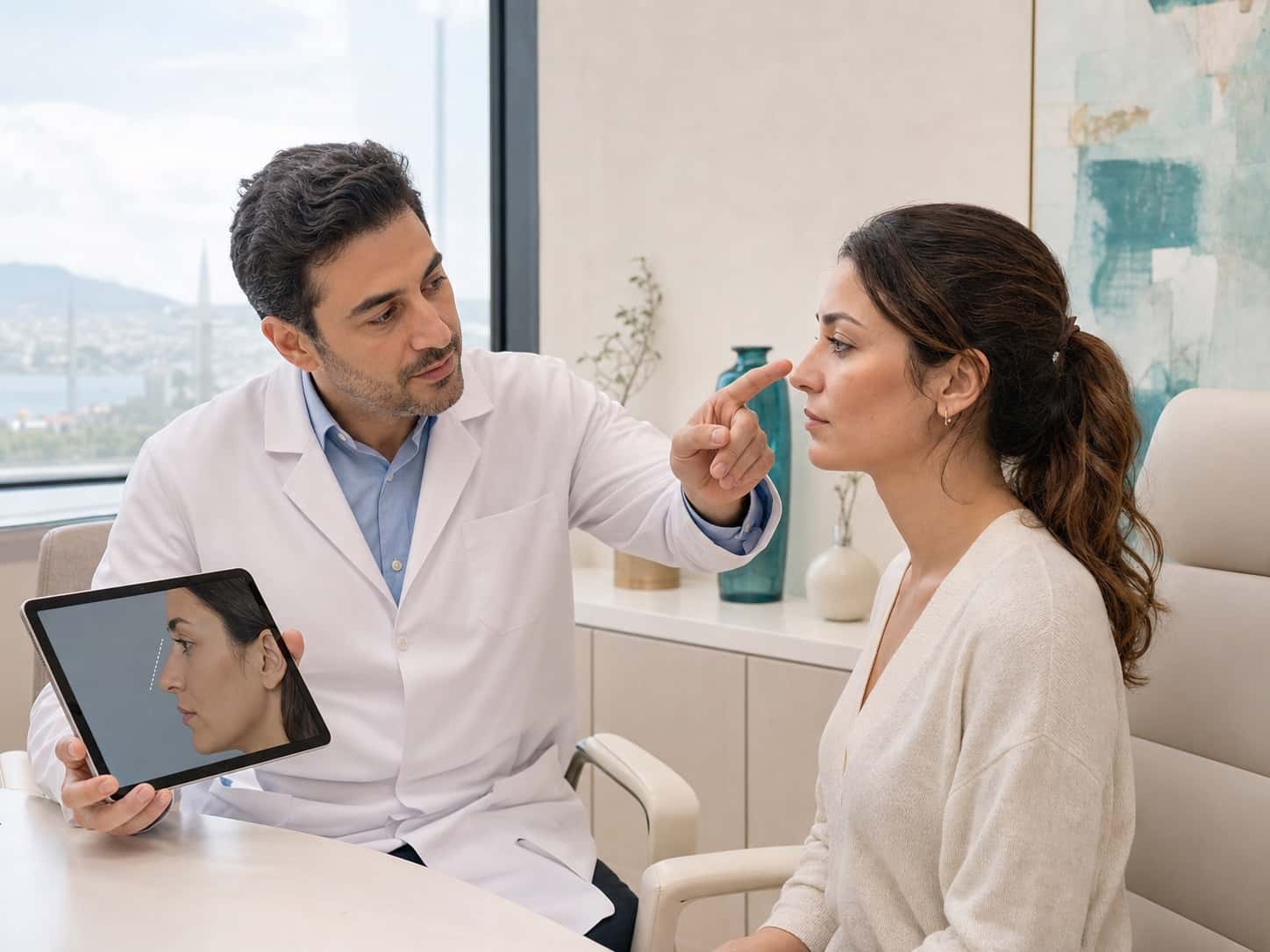
Rhinoplasty is a surgical procedure that can address aesthetic goals suited to your facial proportions alongside functional breathing issues such as a deviated septum, turbinate enlargement, or nasal valve collapse. The process starts with a review of your photos and a remote pre-assessment, followed by an in-person exam that checks breathing function and a 3D simulation to preview the expected result. Based on the bridge, tip, and profile proportions, corrections to the cartilage/bone structure are finalized using an open or closed technique.
- Personal planning
- Travel coordination
- Planned follow-up
Rhinoplasty
- Experienced surgeons spanning ENT and plastic surgery
- 3D simulation to preview the expected result
- Open/closed technique with septum/breathing function correction options
- Surgery under general anesthesia with one night of hospital observation (per case)
- Care guidance during swelling and bruising, with remote check-in support
Suitability and treatment plans vary. The final medical decision is made by a licensed clinician after examination and required tests.
Aesthetic goals and function are assessed together
Aesthetic goal
Facial proportions and realistic expectations are considered in an individual assessment.
Breathing function
Where breathing symptoms exist, functional assessment belongs in the surgical plan.
Recovery
The first weeks are early social recovery; final refinement may continue for months.
Process
- 1
Photo review and remote pre-assessment
- 2
In-person exam, breathing check, and 3D simulation
- 3
Pre-op labs and anesthesia assessment
- 4
Surgery day and hospital admission coordination (general anesthesia, ~1–2 hours)
- 5
Splint removal (5–7 days) and first follow-up exam
Package and travel scope
Surgery is performed under general anesthesia and usually requires one night of hospital observation; the splint placed on the nose is removed within 5–7 days, though full resolution of swelling and the nose settling into its final shape can take months. Turkavia manages the process on your behalf—from surgeon matching and pre-op tests to hospital coordination, splint removal, and long-term recovery follow-up—while clinical decisions always remain with your treating doctor.
Typical package scope
- Surgical, anesthesia, and hospital night(s) per case
- Post-op splint/packing and review visits
- Care guidance for swelling and bruising, plus necessary medication
- Remote check-in windows during recovery (week 1, month 1, month 6)
Accommodation
- Recovery-friendly hotels and companion tips
- Extra nights planned for splint removal (usually 5–7 days later)
- Quiet, rest-friendly room options
- Surgeon clearance is required before it's safe to fly
Transfers & support
- Airport and hospital transfers
- Safe return to hotel after surgery
- 24/7 coordination line (per package)
- Remote photo-based follow-up after you return home
Rhinoplasty guides
Read detailed guides on methods, recovery, and travel before you decide.
Aesthetic surgery guide: What to know before you decide
Understand the difference between aesthetic and reconstructive surgery, the questions worth asking before choosing a clinic or surgeon, how a consultation should work, and where rhinoplasty fits into this decision.

Rhinoplasty recovery timeline: Week one to year one
A realistic guide to week-one care, work, exercise, flying, swelling, and long-term follow-up after rhinoplasty, with a travel checklist.